I'm not here to sell a product. I'm here to prevent the next black box. When systems reward extraction over contribution, innovation stops helping people and starts hurting them.
Plain language on purpose: this page is designed to be understood from 5th grade through policy staff.
The standard is simple: do we build systems that help the whole… or systems that help a few hoard the benefits?
If one kid takes every cookie and locks the jar, everybody loses. That's what happens when a system rewards taking more than giving.
We already have a "black box" in money (royalties that vanish or get misallocated). If we don't govern AI creation, we'll repeat the same failure in intellectual property across every sector.
Governance must travel with the work: who did what, what tools were used, what data was referenced, what was generated, what was edited, and what is owed.
Long before modern policy language, people understood the consequences of hoarding. Agrarian society made it obvious: when one person empties the granary, everyone shares the famine.
"They praised the man who emptied the granary. They wept at the famine together."
That is the warning for AI: if we reward extraction, we'll get collapse — not progress.
"When the hand that takes is honored above the hand that tends, the vessel that feeds all is left empty."
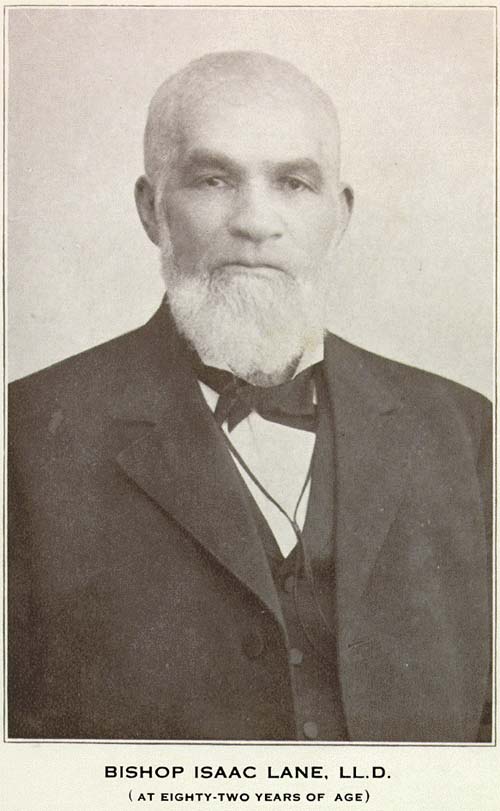
History teaches what happens when people are denied agency. In the AI era, agency includes: authorship, attribution, consent, and the right to benefit from one's work — without being extorted by gatekeepers.
(This context expands the conversation beyond music into education, medicine, climate, publishing, and industrial discovery.)
Start where people understand it (music). Then expand to where it matters just as much (science, health, education, climate, manufacturing).
The first governance failure is already public: money disappears, attribution fails, and creators can't prove chain-of-custody. AI scale makes that failure explode.
Mirror Protocol begins with disclosure-ready provenance so the system can't "forget" the human.
If courts and policy allow extraction to win, AI becomes a new moat: lawsuits → licensing → control → permission-based learning. That pattern will spread far beyond entertainment.
The Mirror Protocol stops the pattern by making governance part of the creation pipeline — not a retroactive cleanup.
We do not need more secrecy. We need a shared baseline: disclosure, attribution, auditability — by default.
Create rules that require creation-time disclosure and standardized provenance artifacts. Don't wait for disputes — prevent them.
Make attribution portable across tools and vendors. If a work moves, its governance record moves with it.
Reject systems that reward hoarding. If someone empties the jar, the whole community pays.
These documents provide the historical and moral framing behind why governance must be built into the system.
Agency, systems, and the modern governance problem.
Open PDF →A bridge from historical denial of agency to modern digital constraints.
Open PDF →Continuity of agency as the core governance requirement.
Open PDF →Short-form teaching tool: clear definitions for non-technical readers.
Open PDF →If any file links 404, it simply means the filename in /assets doesn't match yet — rename the file or update the href.